Who this retina specialist for Noida patients guide is for
Patients from Noida may compare local access with the need for a focused vitreoretina opinion. This page is transparent about the listed consultation location in Delhi and focuses on practical planning: records, travel, examination, follow-up and urgent warning signs.
This guide is intended for Noida residents seeking a retina opinion for diabetes, macular symptoms, flashes, floaters, a report review or planned follow-up. It is written to help you decide what information to collect, what to ask during the appointment and how to recognise a situation that should be assessed urgently. It is not a ranking, an advertisement for an outcome, or a substitute for an examination.
Retinal symptoms can sound similar while needing very different care. Blurred vision may come from the macula, lens, cornea, optic nerve or a general health issue. Flashes and floaters may be harmless in one situation and a warning sign in another. The useful question is not only “which doctor is near me?” but also “what clinical problem needs to be assessed, how soon, and where can the right examination happen?”
When you contact a practice, describe the main symptom, the eye affected, when it began, whether it is changing and whether you have diabetes, high myopia, previous eye surgery, trauma or inflammation. A short, accurate timeline helps the team direct you to the right appointment pathway.
What a focused retinal assessment looks for
The clinical question for this page is whether travel can be planned for a routine appointment or the symptom needs immediate assessment closer to the patient. A specialist consultation usually starts with your history and a review of earlier reports. The clinician may ask about onset, progression, one-eye or two-eye symptoms, night vision, reading, distortion, pain, light sensitivity and previous treatment. General health information can matter because diabetes, blood pressure, inflammatory disease, medicines and pregnancy may change the interpretation.
The examination may include visual acuity, pupil assessment, eye pressure, a microscope examination and dilation to see the retina. Dilation can temporarily blur near vision and increase light sensitivity, so ask about transport before the visit. The examination is not a formality: it helps connect a symptom or scan with the actual appearance of the eye.
For retina specialist for Noida patients, the stated assessment focus is a structured history, vision review and dilated retinal assessment, with earlier scans compared when available. If the findings do not match the referral question, the clinician may explain uncertainty and recommend another review rather than force a diagnosis. That is a safety feature, not a failure.
Bring the original information where possible. A screenshot of an OCT may not contain all the context that an image file, report, previous measurement and treatment date provide. If the clinician can compare old and new findings, the discussion can be more specific about change, stability and the next decision.
Retinal imaging and tests: what they can add
OCT, fundus photography and other retinal imaging are chosen according to the diagnosis and the information needed. Tests should answer a clinical question. More testing is not automatically better if the result will not change the diagnosis, urgency or treatment plan.
OCT can show cross-sectional detail of the macula and help document fluid, swelling, traction or structural change. Retinal photographs can create a record for comparison. Ultrasound may help when blood or another opacity prevents a clear view of the retina. Other imaging is considered when it adds information relevant to the diagnosis and consented plan.
Ask what the test is looking for, whether you need dilation, how long it takes, whether the result will be reviewed during the same visit and what happens if the image is not clear. If you are travelling from outside Delhi, these questions can help you plan time and transport without assuming that every test will be required.
Imaging is evidence, not a diagnosis by itself. The same phrase on a report can mean different things in different eyes. A clinician interprets the image with symptoms, examination, previous scans, medicine history and risk factors. This is why copying a report into a search engine cannot safely replace a retina appointment.
Care and treatment options discussed safely
the plan may include monitoring, coordination with a local physician, laser, injections, surgery discussion or a referral back for urgent care. The word “treatment” can include observation with a planned review, not only a procedure. For some retinal conditions, monitoring is the right active plan; for others, delay creates avoidable risk. The recommendation should be linked to an examination finding and a clear goal.
Depending on the diagnosis, a discussion may include observation, medical risk-factor coordination, retinal laser, intravitreal medicine, uveitis treatment, or vitreoretinal surgery. Each option has a purpose, limitations, risks and follow-up requirements. Ask what the treatment is meant to do, how quickly it should happen, what alternatives exist and which symptoms should trigger a call.
For people with diabetes or vascular risk, eye treatment works alongside—not instead of—care from the physician managing blood sugar, blood pressure, cholesterol and other health factors. For uveitis, medicines may need careful tapering and monitoring. For babies with ROP, screening and treatment timing must be coordinated with the neonatal team.
No responsible website can promise that a procedure will restore perfect vision or prevent every future problem. Outcomes depend on the condition, stage, duration, other eye disease, general health, attendance at follow-up and individual healing. Informed consent means having enough information to decide with the treating team.
How to prepare for the appointment
book before travelling, keep medicines and reports together, and plan transport for the return journey after dilation. Put documents in date order so the clinician can see the sequence of symptoms, scans and treatment. If another doctor referred you, bring the referral note and the exact question they wanted answered.
Make a simple medicine list with the name, strength and how often you take it. Include eye drops, injections, blood thinners, diabetes medicines, steroids and supplements. Do not stop a prescribed medicine because of something you read online. Ask the treating team if any preparation is required.
Write down three questions before arriving: What is the diagnosis or leading possibility? How urgent is the next step? What should make me contact the hospital sooner? If surgery or an injection is being considered, add questions about alternatives, recovery, driving, travel, work, positioning and the review schedule.
The website lists Jain Eye Hospital & Laser Centre in Shalimar Bagh, Delhi—not Noida. Patients should confirm travel feasibility, appointment timing and current service availability in advance. Location claims and service availability can change. Confirm the current appointment time, route, contact number and whether the specific test or procedure is available before travelling. The site’s consultation request is not a confirmed appointment; the hospital team must contact you.
Urgent symptoms and follow-up safety
For this topic, important warning symptoms include sudden loss of sight, a curtain or shadow, rapidly increasing floaters, new flashes with reduced vision or severe pain. These symptoms should not be handled by waiting for a website reply, searching for a “number one” doctor, or assuming that a previous examination still applies. Contact an urgent eye service or the treating hospital and follow its instructions.
A follow-up date is part of the treatment, not an optional administrative detail. Retinal disease can be active before the change is obvious in everyday vision. Follow-up may compare visual acuity, pressure, photographs, OCT or the peripheral retina, then decide whether to continue, repeat, change or stop a treatment plan.
After an eye procedure, increasing pain, marked redness, worsening vision, severe light sensitivity, new dense floaters or discharge should be reported promptly. The exact aftercare instructions depend on the procedure. Use the written advice from the treating team and keep the hospital’s contact details accessible.
Online information is useful for preparation, not triage or diagnosis. If you are unsure whether a symptom is urgent, it is safer to ask an eye-care service directly. Do not delay because the symptom is outside normal clinic hours or because you are waiting for an online form response.
Questions that make a specialist visit more useful
Patients often leave with a report but not a clear plan. Before the visit, ask the team to explain the diagnosis in plain language and identify the part of the eye involved. If there is uncertainty, ask what information would reduce it and when that information will be available.
Ask: “What is the purpose of this test?” “What are the options if we monitor?” “What is the time-sensitive risk?” “What should I do if vision changes?” “When is the next review, and who should I contact if I cannot attend?” These questions work for routine assessment, a second opinion, treatment planning and follow-up.
If the patient is a child or baby, ask who coordinates the neonatal or paediatric plan, how the appointment date is recorded, what happens if the baby is unwell, and which warning signs need same-day contact. If the patient has diabetes or inflammatory disease, ask how eye care connects with the physician’s plan.
Good communication is two-way. Tell the clinician what matters to you—reading, driving, work, caregiving, travel, anxiety about procedures or the ability to return for reviews. Those practical facts do not replace clinical findings, but they help the team explain a realistic plan.
Trust, credentials and transparent local information
When comparing an eye specialist, verify the person’s qualifications, specialty training, current hospital association, address and appointment process. Be cautious with anonymous testimonials, copied credentials, “guaranteed cure” language and unsupported superlatives such as “best”, “top” or “number one”. A trustworthy healthcare page explains limits as clearly as it explains services.
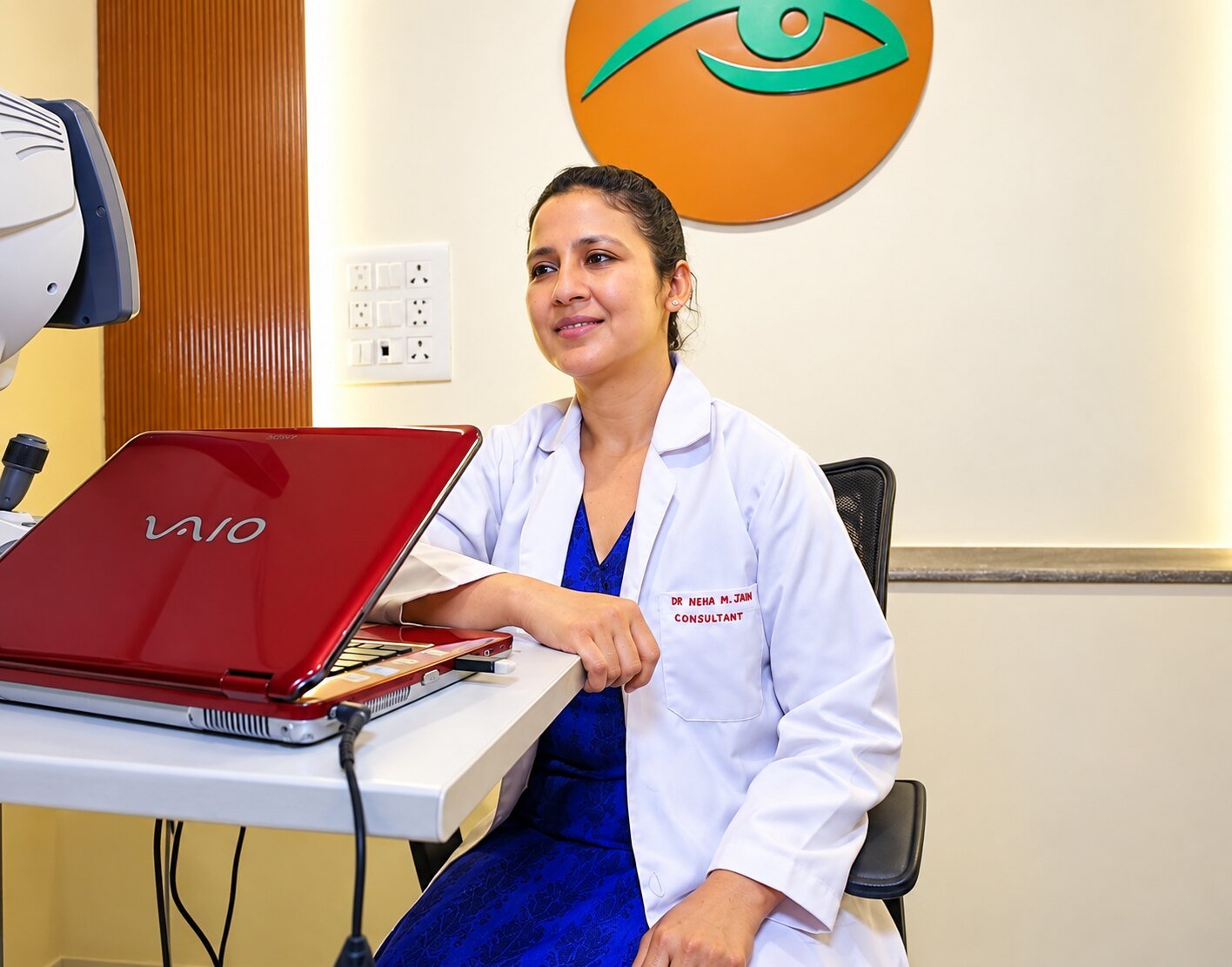
Dr. Neha Mohan’s website describes a focus on vitreoretina, uvea and ROP care and an association with Jain Eye Hospital & Laser Centre. The published address is AG 152, Shalimar Bagh, Delhi 110088. Qualification wording, phone details, procedure availability and current hospital processes remain items that the practice should verify before a public launch or client report.
Privacy also matters. Do not put sensitive medical reports or personal details into a public website form. Use the consultation request only for the information requested, read the privacy policy, and use urgent clinical channels for urgent symptoms. The website is an educational and appointment-request channel, not an emergency service.
Patients from Noida may compare local access with the need for a focused vitreoretina opinion. This page is transparent about the listed consultation location in Delhi and focuses on practical planning: records, travel, examination, follow-up and urgent warning signs. The next responsible step is to confirm the concern with a qualified clinician, compare the findings with earlier records and leave with a documented review plan.
Related retinal and eye-care resources
Use these related pages to understand the broader topic cluster. Each link covers a different intent; reading more does not replace the examination or change a prescribed plan.
Common questions about retina specialist for Noida patients
Is the consultation located in Noida?
No. The published address is in Shalimar Bagh, Delhi. Confirm the route and appointment before travelling from Noida.
Can I send a scan before travelling?
Ask the hospital whether pre-visit sharing is available. Do not delay urgent in-person care while waiting for an online reply.
How can I prepare for travel after dilation?
Arrange a companion or transport and avoid planning to drive yourself if your vision remains blurred or light-sensitive.
Is this page a medical diagnosis?
No. It is educational information to help you prepare for a consultation. Diagnosis, urgency and treatment require an examination by a qualified clinician.
What is the safest next step?
Use the page to prepare records and questions, then confirm the appointment pathway with the hospital. For sudden vision loss, a curtain, a shower of floaters or severe pain, seek urgent eye assessment.
Can treatment be decided from a website?
No. The right plan depends on the examination, imaging, medical history, risks, alternatives and informed consent. Do not start, stop or change treatment from online information.